

What Small Towns Get Wrong About Growth
When small towns set out to grow, they often look to larger cities for inspiration. They study what worked in Austin or Nashville or Denver, then try to replicate those strategies at a fraction of the scale. The result is usually disappointment.
The problem isn't ambition. It's misalignment between strategy and context.
A town of 15,000 people doesn't need a tech incubator, a convention center, or a professional sports venue. What it needs is a clear understanding of its actual competitive advantages—and the discipline to build on them rather than chase trends.
Here's what we've learned working with dozens of small and mid-sized municipalities:
First, proximity matters more than you think. Small towns that thrive are usually within reasonable distance of a larger metro area. That's not a limitation—it's an opportunity. The question isn't how to compete with the big city. It's how to offer something the big city can't.
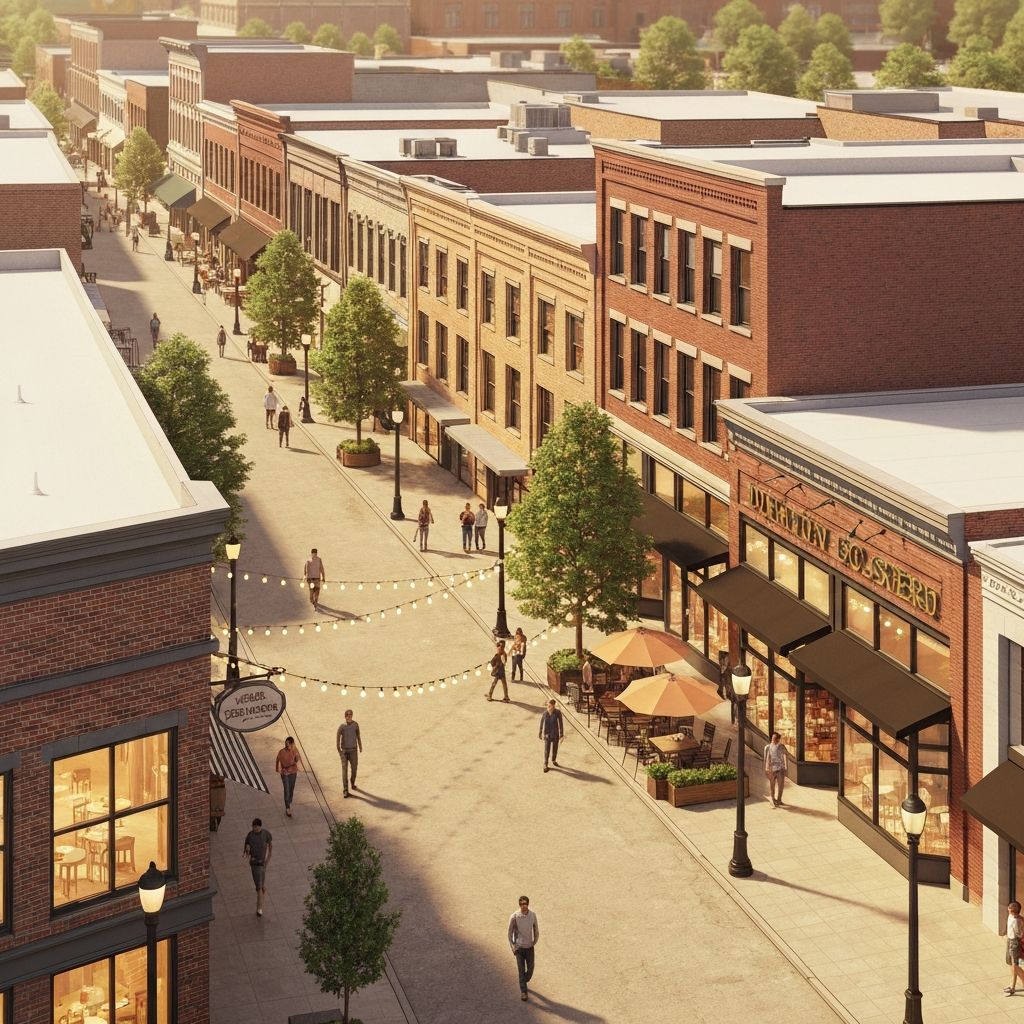
Second, existing assets beat new construction. Before commissioning a new building or development, inventory what you have. Old buildings, natural features, established businesses, and community organizations are all assets that can be activated at lower cost and higher speed than new construction.
Third, sequence matters. The order in which you pursue projects affects their likelihood of success. Quick wins build momentum and political capital for larger initiatives. Starting with the biggest, most ambitious project is often a recipe for stagnation.
Finally, remember that authenticity is a competitive advantage. The fastest-growing small towns aren't trying to be something they're not. They're doubling down on what makes them unique—even if that uniqueness doesn't fit conventional economic development wisdom.
Growth is possible. But it requires strategies designed for your specific context, not borrowed from places with different resources, challenges, and opportunities.
Smart Cities: How Towns & Cities Navigate the Modern Landscape
Want More Insights Like This?
A comprehensive guide to modern municipal strategy, covering economic development, placemaking, cultural identity, and implementation frameworks for communities of all sizes.
Share this article