Culture Is an Economic Asset—If You Use It
In most municipal economic development conversations, culture is an afterthought. It's discussed in terms of heritage preservation or arts funding—important, but rarely connected to the core economic strategy.
This is a mistake. Culture—broadly defined as the distinctive identity, history, and character of a place—is one of the few competitive advantages that can't be replicated or bought.
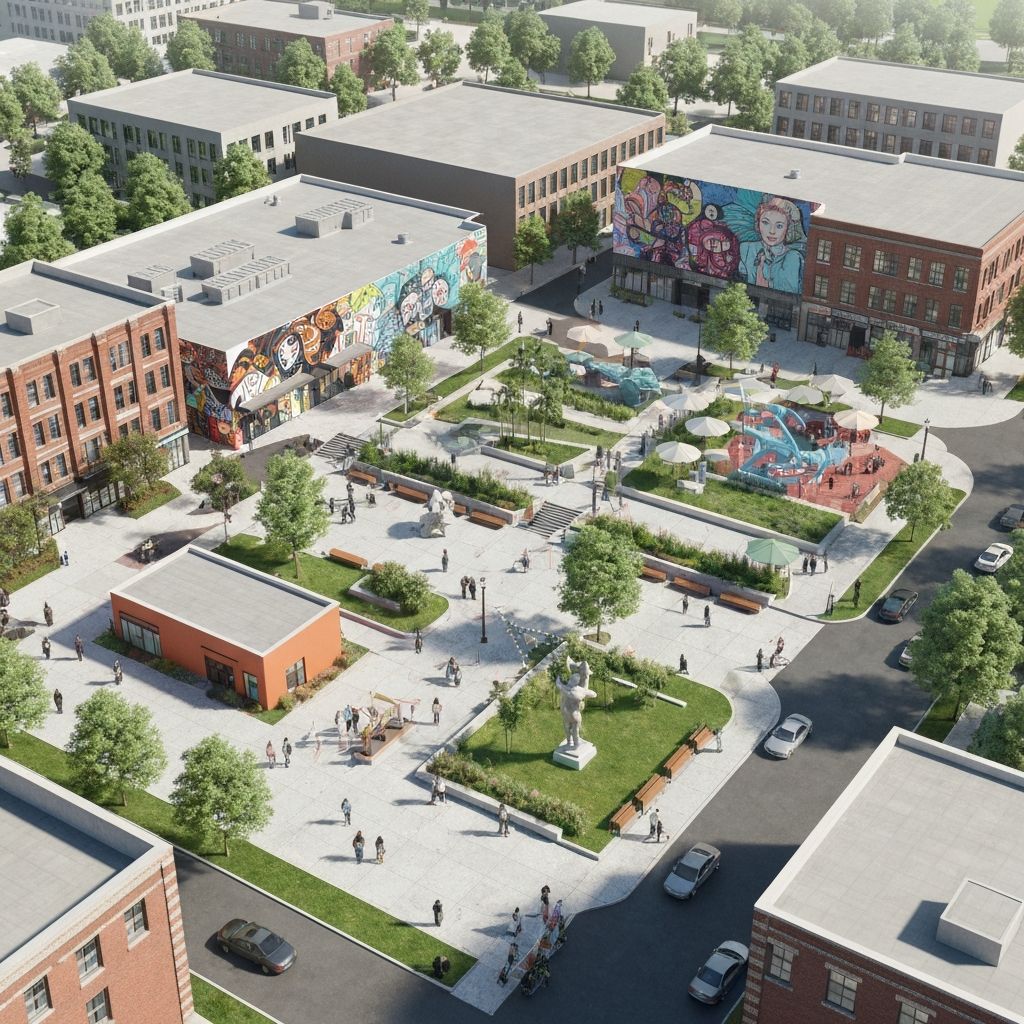
Consider what culture actually includes: local cuisine and food traditions, architectural heritage, natural landscapes and their associated activities, community events and gatherings, artistic traditions and creative industries, and stories and narratives that define a place.
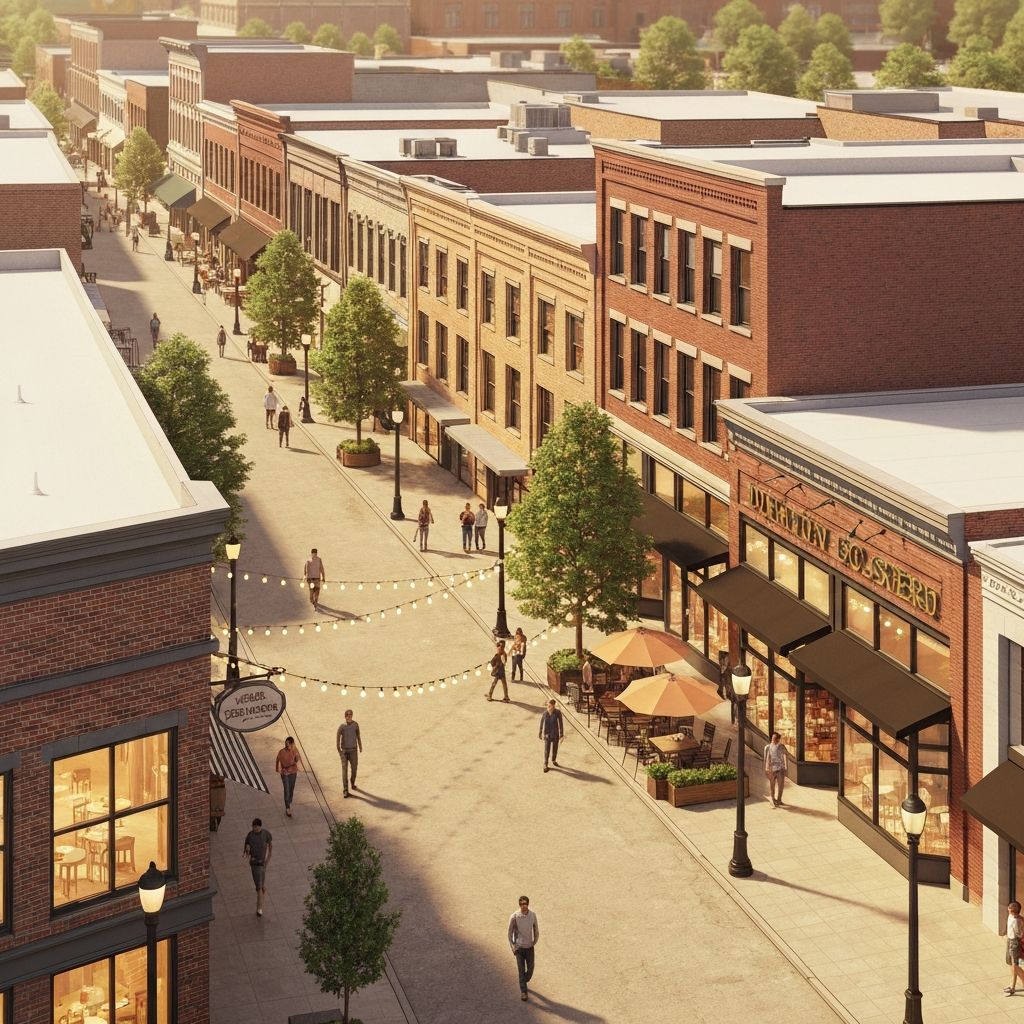
Each of these can be activated as an economic driver. Food traditions become culinary tourism and local food systems. Architectural heritage attracts visitors and supports property values. Natural landscapes create outdoor recreation economies.
The key is intentionality. Cultural assets don't become economic assets automatically. They require strategic activation—identifying which assets have economic potential, building the infrastructure to support them, and marketing them effectively.
We've worked with cities that discovered significant economic potential in cultural assets they'd largely ignored: a regional music tradition, a unique natural feature, a historic industry that left interesting buildings and stories behind.
The methodology isn't complicated: inventory your cultural assets, assess their economic potential, identify what's needed to activate them, and integrate cultural strategy with broader economic development efforts.
The result is economic development that strengthens rather than erodes local identity—growth that residents support because it builds on what makes their community special, not what makes it generic.
Smart Cities: How Towns & Cities Navigate the Modern Landscape
Want More Insights Like This?
A comprehensive guide to modern municipal strategy, covering economic development, placemaking, cultural identity, and implementation frameworks for communities of all sizes.
Share this article